Understanding and Utilizing Blank Staff Paper for Music Composition
Blank staff paper is a versatile tool used by musicians, educators, and composers to write musical notation. Unlike pre-printed staff paper with specific clefs, blank staff paper allows for maximum flexibility, making it suitable for various instruments and musical styles. This article explores the unique features of blank staff paper, how it compares to other options, and when it might be the best choice for your needs.
What is Blank Staff Paper?
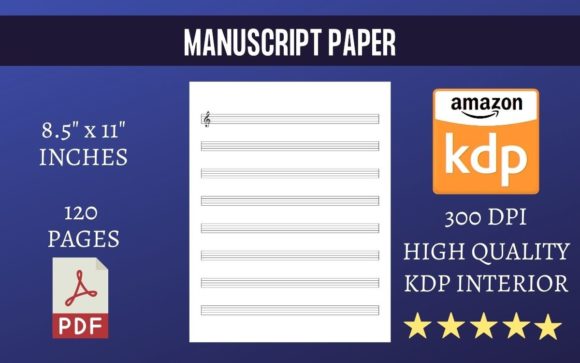
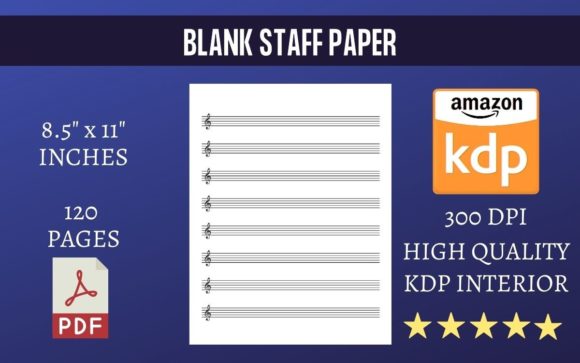
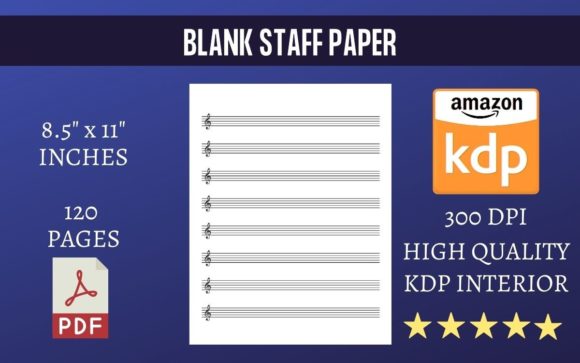
Blank staff paper consists of evenly spaced lines (staffs) without any clefs, key signatures, or time signatures. This format provides a clean slate for users to customize according to their requirements. The absence of pre-printed elements makes it ideal for a wide range of musical activities, from basic music theory exercises to complex compositions.
Key Features of Blank Staff Paper
- Versatility: Suitable for any instrument and musical style.
- Customization: Add your own clefs, key signatures, and time signatures.
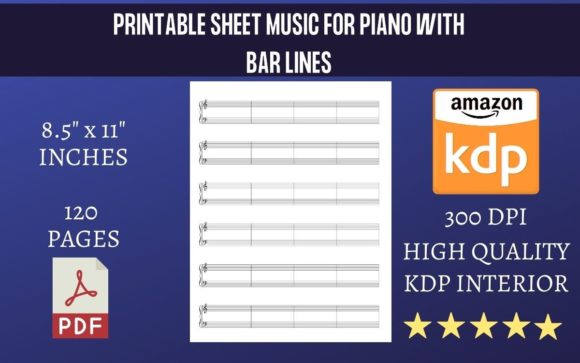
- Format: Typically available in PDF format, making it easy to print and use.
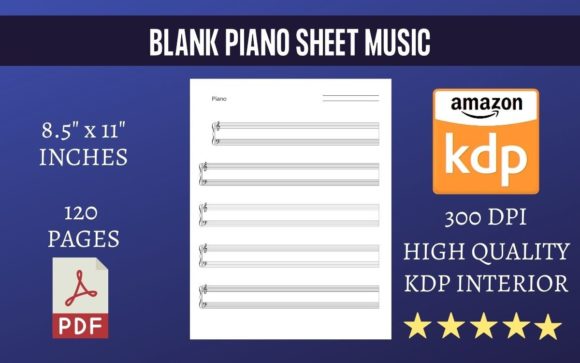
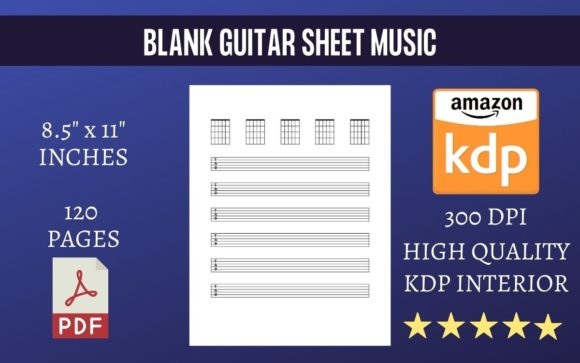
- Paper Size: Standard US Letter size (8.5 inches x 11 inches).
- Orientation: Portrait, vertical orientation, which is traditional for music notation.
Comparing Blank Staff Paper to Other Options
When considering different types of staff paper, it's essential to understand the tradeoffs and best-fit situations for each option.
Pre-Printed Staff Paper
Pre-printed staff paper comes with specific clefs, such as treble, bass, or alto, already printed on the lines. This can be convenient for students and teachers who primarily work with one type of instrument. However, it lacks the flexibility of blank staff paper, which can be a limitation for those who need to switch between different clefs or create custom notations.
Digital Notation Software
Digital notation software, like Sibelius or Finale, offers advanced features for composing and editing music. These tools provide a more interactive and dynamic environment, allowing for real-time playback, automatic formatting, and easy sharing. While digital software is powerful, it may not be as accessible or practical for quick, on-the-spot note-taking or for those who prefer a more traditional, pen-and-paper approach.
Strengths and Limitations of Blank Staff Paper
Blank staff paper has several strengths that make it a popular choice among musicians and educators:
- Versatility: Can be used for any instrument and any type of musical notation.
- Convenience: Easy to print and use, especially for classroom settings or personal practice.
- Cost-Effective: Free or low-cost templates are widely available online.
However, there are also some limitations to consider:
- Manual Work: Requires manual drawing of clefs, key signatures, and other elements, which can be time-consuming.
- No Interactive Features: Lacks the interactive and dynamic capabilities of digital notation software. Limited to Physical Format: Printing and physical storage can be a constraint for large projects.
When to Use Blank Staff Paper
Blank staff paper is an excellent choice in the following scenarios:
- Music Theory Classes: Students can use it for exercises and assignments, adding their own clefs and key signatures as needed.
- Worksheet Creation: Teachers can create customized worksheets for different instruments and musical concepts.
- Composing Melodies: Songwriters and composers can sketch out ideas and experiment with different notations.
- Multifaceted Projects: When working on projects that require multiple clefs or varied musical styles, blank staff paper provides the necessary flexibility.
When to Consider Alternatives
While blank staff paper is highly versatile, there are situations where other options may be more suitable:
- Specialized Instruction: For focused instruction on a specific instrument, pre-printed staff paper with the appropriate clef may be more convenient.
- Professional Compositions: For professional-level compositions, digital notation software offers more advanced features and a more polished final product.
- Collaborative Projects: If you need to share and collaborate on music projects, digital tools provide better options for real-time collaboration and sharing.
Conclusion
Blank staff paper is a valuable resource for anyone involved in music, offering unmatched versatility and customization. Whether you are a student, teacher, or songwriter, understanding its strengths and limitations will help you decide when it is the right tool for your needs. By considering the context and requirements of your project, you can make an informed decision and choose the most effective method for your musical endeavors.