The Travel Bucket List Log Book: Your Practical Companion for World Exploration
For those who see travel as more than a fleeting escape, planning becomes a meaningful project. A Travel Bucket List Log Book is not just a notebook; it is a dedicated system for capturing aspirations, organizing research, tracking progress, and preserving memories. It fits into a broader process of intentional living, transforming vague dreams into actionable plans and documented journeys. This tool serves as the central hub for your travel workflow, bridging the gap between inspiration and experience.
The Role of a Log Book in a Traveler's Workflow
Effective travel planning mirrors a professional project lifecycle: conception, research, execution, and review. A dedicated log book provides consistency across all phases. Before a trip, it becomes a planning canvas where you brainstorm destinations, jot down inspirational articles, compare flight options, and outline preliminary budgets. During travel, it shifts to an active journal for daily observations, sketches, and logistical notes like transportation times or local contact details. After returning home, it serves as a reflective archive, allowing you to consolidate memories, evaluate what worked, and ideate future iterations of your journey. This continuous use creates a valuable personal asset, a curated history of your explorations.
Integration with Digital Tools and Resources
The physical log book interacts synergistically with digital platforms. It does not replace apps for booking or navigation but complements them by offering a space for synthesis. Screenshots of potential accommodations, notes from travel blog reviews, or sketched maps from Google Earth can be transcribed or referenced within its pages. The log book acts as a filter, helping you organize the overwhelming digital influx into a coherent, personal plan. For the productivity-minded user, this integration reduces digital clutter and creates a tactile, focused planning environment that enhances decision-making.
Practical Implementation: From Concept to Journey
Implementing a Travel Bucket List Log Book into your routine begins with defining its structure. A high-quality interior, such as one designed for KDP, provides a ready-made framework. You might start with a master list section for long-term bucket list items, followed by dedicated project pages for each specific trip underway. The usability of a well-designed interior—with clear sections for budget tracking, itinerary outlines, packing lists, and post-trip reflections—streamlines the process, eliminating the need to create an ad-hoc system each time.
Consider a workflow example: A professional planning a two-week cultural tour of Japan. The log book's intro page could hold the overarching vision. Subsequent pages are used for pre-trip research: a bulleted list of must-see temples, a table comparing rail pass options, and handwritten notes from conversations with a friend who recently visited. During the trip, daily log pages capture impressions of specific neighborhoods, meals enjoyed, and small logistical victories like navigating a complex subway station. This on-the-spot documentation is more deliberate and connected than a scattered collection of phone photos. After the trip, a final section is used to compile highlights, calculate final expenses against the budget, and note lessons learned for future Asian travel.
Factors of Preparation and Long-Term Use
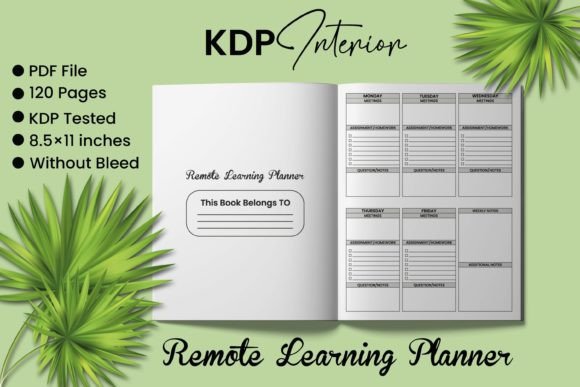
The longevity and quality of a travel log book depend on initial preparation and the physical product's compatibility with your habits. An interior formatted for 8.5×11 inches offers ample space for detailed entries and visual elements like ticket stubs or small photos. High-resolution, print-ready files ensure that when you produce a physical copy, the pages are clear and professional, encouraging continued use. The organization of 120 pages provides capacity for multiple trips over years, making it a consistent tool across your evolving travel goals. Its design without bleed simplifies personal printing or professional publishing, focusing on content compatibility.
For long-term use, treat the log book as a evolving portfolio. Regularly review the master bucket list section to update priorities as your interests change. Use the completed trip sections as a reference library for planning similar future journeys—your past notes on managing a European rail system become invaluable when planning a subsequent trip through Italy. This turns the book into a self-improving tool, where past execution directly informs future planning efficiency.
Optimizing Your Travel Planning Process
A log book enhances travel planning by introducing organization and quality control. It forces a moment of reflection before a purchase: “Should I book this hotel? Let me check my log book comparison notes.” It creates consistency in how you record information, making it easier to retrieve details years later. For educators or bloggers, this documented process can later be transformed into content or teaching material. For freelancers or entrepreneurs, the disciplined approach to travel planning can mirror and even inform project management techniques in their work.
Integration into your routine is straightforward. Assign the log book a fixed place in your pre-trip ritual, perhaps alongside your computer during research phases. Carry it during travels in a protective sleeve. Schedule a brief post-trip session, perhaps a weekend afternoon, to complete the reflective entries. This formalizes the process without making it cumbersome, embedding it as a natural extension of your travel enthusiasm.
Beyond the List: Capturing the Nuances of Experience
The greatest value of a Travel Bucket List Log Book often lies beyond the logistical planning. It provides a structured space for the nuances that digital tools overlook. You can scribble a quick sketch of a street scene, write a paragraph on the scent of a local market, or note a profound conversation with a guide. These qualitative details are the soul of travel memory. The book’s format encourages this depth. A simple, clean page without distraction invites more thoughtful entries than a quick typed note on a device prone to notifications.
This focus on depth also aids in creative processes. Hobbyists or creators can use their travel logs as source material for art, writing, or even culinary projects at home. The observations on architecture in Barcelona might inspire a home design project. Notes on regional flavors in Thailand could guide a weekend cooking experiment. The log book, therefore, becomes a catalyst, transferring inspiration from travel into other areas of life and work.
Securing a Ready-to-Use Tool for Your Adventures
For those ready to implement this system, obtaining a professionally designed interior is a key step in the preparation phase. A tested KDP interior, delivered as a high-resolution PDF and JPG within a compressed ZIP file, offers immediate compatibility. The assurance that the files are ready to upload or print eliminates technical friction, allowing you to focus on content rather than layout design. The 300dpi quality ensures crisp text and lines, which is crucial for a tool meant for handwritten use and long-term archival.
This practical approach to sourcing the tool aligns with the overall ethos of process-oriented planning. You secure a validated, quality asset—the log book interior—that integrates seamlessly into your wider travel project management. From there, your personal execution—the filling of the pages with plans, experiences, and reflections—transforms the template into a unique and powerful record of your world exploration. The journey, meticulously logged, becomes not just a series of trips, but a curated narrative of your life's adventures.