Understanding and Utilizing a Dog Vaccination Schedule
A dog vaccination schedule is a crucial tool for any pet owner, ensuring that your furry friend stays healthy and protected against various diseases. This guide will help you understand the importance of a vaccination schedule, common mistakes to avoid, and how to make the most of this essential resource.
Why a Dog Vaccination Schedule Matters
Vaccinations are a vital part of preventive healthcare for dogs. They protect your pet from serious and potentially fatal diseases such as rabies, distemper, and parvovirus. A well-structured vaccination schedule helps you keep track of when each vaccine is due, ensuring that your dog receives timely protection.
Mistake 1: Overlooking the Importance of Core Vaccines
Core vaccines are those that every dog should receive, regardless of their lifestyle or environment. These include vaccines for rabies, distemper, parvovirus, and adenovirus. Failing to administer these core vaccines can leave your dog vulnerable to severe and often fatal diseases.
Mistake 2: Neglecting Booster Shots
Many vaccines require booster shots to maintain immunity. Missing these boosters can result in a lapse in protection, making your dog susceptible to diseases they were previously immune to. Always follow the recommended booster schedule provided by your veterinarian.
Mistake 3: Ignoring Non-Core Vaccines
Non-core vaccines, such as those for leptospirosis and Lyme disease, are not necessary for all dogs but may be recommended based on your dog's lifestyle and geographical location. Discuss with your vet whether these additional vaccines are right for your dog.
Consult Your Veterinarian
Your vet is the best source of information regarding your dog's specific needs. They can tailor a vaccination schedule that takes into account your dog's age, health, and lifestyle. Regular check-ups and open communication with your vet are key to maintaining your dog's health.
Keep Detailed Records
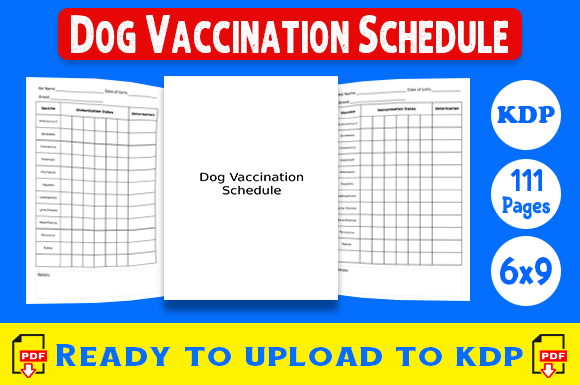
Maintain a detailed record of all vaccinations, including the date, type of vaccine, and any reactions. This information is invaluable for tracking your dog's health and providing a history to new veterinarians if you move or change practices.
Stay Informed About Vaccine Safety
While vaccines are generally safe, it's important to stay informed about potential side effects and risks. Discuss any concerns with your vet and report any adverse reactions immediately. Staying informed helps you make the best decisions for your dog's health.
What to Check Before Downloading a Dog Vaccination Schedule
If you're considering downloading a vaccination schedule for your dog, ensure it meets the following criteria:
- Reliability: The schedule should be from a reputable source, such as a veterinary clinic or a recognized animal health organization.
- Comprehensive Information: It should include both core and non-core vaccines, along with the recommended ages and intervals for each.
- User-Friendly Format: The schedule should be easy to read and understand, with clear instructions and reminders.
Final Thoughts
A well-maintained vaccination schedule is a cornerstone of your dog's health. By avoiding common mistakes and following practical advice, you can ensure that your dog remains protected and healthy. Remember to consult your vet, keep detailed records, and stay informed to make the best decisions for your furry companion.